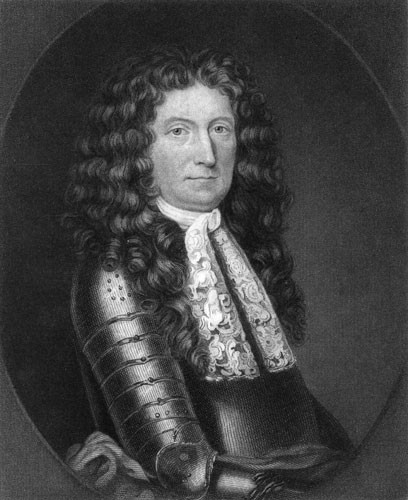
Guernsey in this period
Seventeenth-century Guernsey is governed through dense local families, property law, seigneurial courts and appeals to the Crown.
In 1630 the lordship of Anneville was split in two, and the split was made in words that lawyers would still be reading three centuries later. A lordship of this kind was a bundle of rights over land and tenants, held from a higher lord, and a bundle can be untied. On 1 July 1630 George Fashion, then lord of Anneville, sold Le Comte — the great quarter of Guernsey, an island in the English Channel off Normandy belonging to the Crown — to Pierre Priaulx, a local merchant, for 1,900 écus, écus being French gold coins and a very large sum for an island purchase. Fashion kept Anneville for himself. In the deed he reserved the rights and dues owed from ancient times to the chief lord. By selling Le Comte while holding back its chief-lord rights, Fashion declared, in the plainest legal language of his day, that those rights existed and that they belonged to Anneville.
Le Comte was no small prize, and its new owners did not enjoy bowing to a neighbour. The deed itself called Le Comte a member of the Seigneury of Anneville, for which no homage nor relief was due to the King. Homage was the formal act by which a holder acknowledged his superior; relief was a payment made when a fief passed to an heir. A fief that owed the King nothing directly must owe its homage to somebody, and there was only one candidate. The Priaulx family spent the next century trying to loosen that bond. In 1677 Peter Priaulx himself signed Articles naming the disputed fiefs as members dependent on the manor of Anneville.
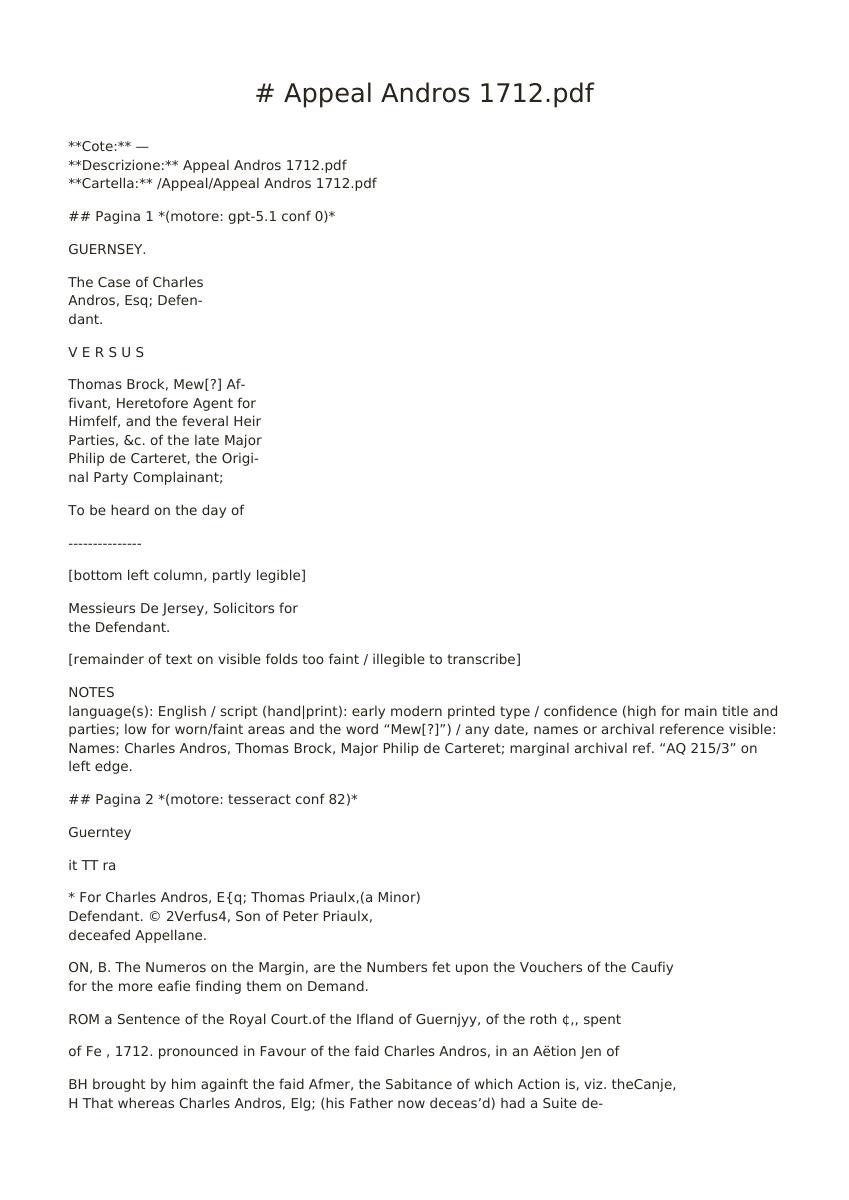
The quarrel then moved to the courts. In 1712 the Royal Court, Guernsey's own court of justice, found that a Priaulx deed of 1672 was colourable — a deed dressed up to look like something it was not. On 14 December 1724 the Royal Court upheld that deed, and Charles Andros, who then held Anneville, appealed to the Privy Council, the King's council in London and the last court of appeal for the islands. His appeal quoted the deed of 1630, including a receipt of 1639 recording the purchase of Le Comte and its being granted in fee — that is, handed over as a fief, to be held by its new owner on the usual feudal terms.
The quarrel was never about which fief was greater; the deed of 1630 had settled that on the day it was signed. It was about how far the greater fief's rights reached over the smaller ones around it. In 2019 the Royal Court observed that Anneville had been regarded as more important than Le Comte, though smaller in extent. The most dangerous witness against a man, in litigation as elsewhere, is his own deed.
About these lines: a narrative reconstruction written in the manner of C. Northcote Parkinson (1909–1993), Seigneur of the Fief d'Anneville from 1964 to 1987, historian, and author of the novels of Richard Delancey, a Guernsey sailor. Parkinson did not write them and they are not a historical source. They invent no characters and no speeches: every fact comes from the room above, and words in quotation marks are quoted from the documents cited there.
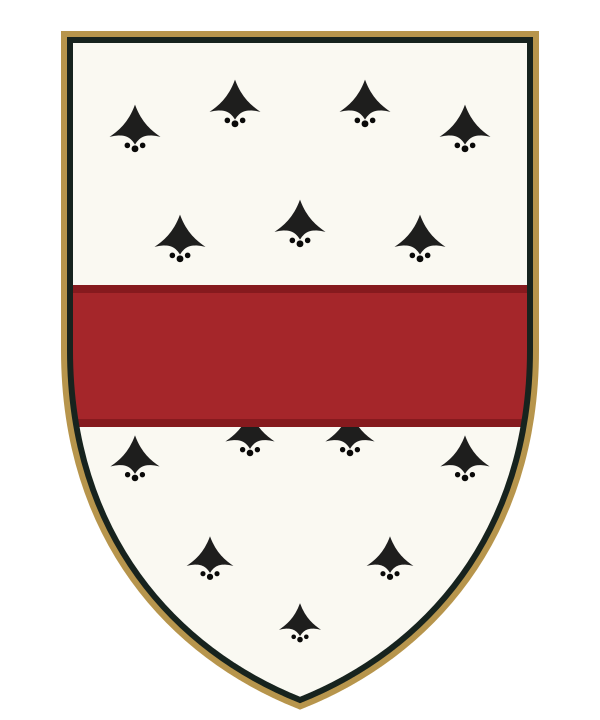 Arms associated with Anneville: ermine, a fess gules
In 1248 a royal inquest divided Guernsey into halves and quarters: half for the King and his dependent lords, half shared between the Abbey of Mont-Saint-Michel and Robert de Vere, "the quarter belonging to de Vere" being "known as the terre du Comte." Within a generation that quarter, Le Comte, was held by the de Cheney from their seat at Anneville. In 1909 T. W. M. de Guérin judged that "fief Le Comte was by far the most important manor in the island. It has no less than thirty-eight minor manors dependent of it." For nearly four centuries Anneville stood at the head of that complex; the deed of 1509/10 still names the Manor of Anneville, Le Comte, Carteret and Beuval together.
The union ended on 1 July 1630, when George Fashion sold Le Comte to Pierre Priaulx for 1,900 écus and kept Anneville. The appeal of Charles Andros to the Privy Council against the Royal Court's sentence of 14 December 1724 describes the deed: Fashion, "right Owner of the said Seigneury", sold Le Comte as "a Member of the said Seigneury, for which no Homage nor Relief is due to his Majesty", with all its rights "excepte pour les Droits & redevances deus d'anciennetté a Chef Seigneur". Le Comte owed nothing to the King directly; the rights of its chief lord were kept back by the lord of Anneville. A receipt of 1639 in the same file speaks of "l'achapt et affieffement du dit fief le Conte": Le Comte was granted in fee.
The Priaulx later tried to loosen the bond. Yet in 1677 Peter Priaulx himself signed Articles naming the disputed fiefs "members and dependant of the said Mannor" of Anneville (AQ 0012/13-01); in 1712 the Royal Court found the Priaulx deed of 1672 colourable; in 1714 the case reached the Privy Council. On 14 December 1724 the Royal Court upheld the 1672 deed, and Charles Andros appealed again to the Privy Council. In 2019 the Royal Court observed that Anneville had been regarded as more important than Le Comte, although smaller in extent.
Priaulx Library, '11 September 1248'; T. W. M. de Guérin, Feudalism in Guernsey (La Société Guernesiaise, 1909), pp. 33-34; AQ 0096/01-01; AQ 0096/01-03; The Case of Charles Andros (AQ 0012/05-01); AQ 0012/13-01; A W Holdings Corp v The Constables of the Castel [2019] GRC012.The division of 1248 is a Norman map. Half of Guernsey went with the King and his dependent lords; the other half was shared between the Abbey of Mont-Saint-Michel and Robert de Vere. A Norman abbey holding land across a quarter of the island shows how Guernsey had been organised from the duchy, by its lords and by its monasteries. The de Vere quarter, the terre du Comte, is the Fief Le Comte held from Anneville.
Seventeenth-century Guernsey is governed through dense local families, property law, seigneurial courts and appeals to the Crown.
The Andros, Priaulx and Sausmarez connections show how Guernsey’s leading families negotiated land, kinship and authority through Norman law. Anneville becomes a lens on the island’s legal culture and social fabric.
For centuries Anneville was the chief fief, and le Comte was held of it. When George Fashion sold le Comte to Pierre Priaulx on 1 July 1630, he kept Anneville and reserved the rights of the chief lord over le Comte. Le Comte was described as "a Member of the said Seigneury, for which no Homage nor Relief is due to his Majesty": it owed nothing to the King directly, so its chief lord could only be Anneville. The chief lord's rights were excepted from the sale, and only their holder could except them: the deed itself shows that le Comte depended on Anneville.
The Priaulx, as the new holders of le Comte, later tried to escape that dependence. Charles Andros, who held Anneville through his wife Alix Fashion, went to law in 1662. The Royal Court, Guernsey's court of justice, ordered Priaulx in 1666 to give back fiefs held without title, and in 1668/69 awarded the Fief de Longues to Andros. A deed of 1672, the Transaction, passed six smaller fiefs to the Priaulx; in 1677 Peter Priaulx signed Articles calling them "members and dependant of the said Mannor" of Anneville; in 1712 the Royal Court found the Transaction colourable, a deed made to look like something it was not. The case reached the Privy Council in London in 1714.
The question was never whether Anneville stood above le Comte, but how far its rights reached over the smaller fiefs.
On 1 July 1630 George Fashion sold le Comte to Pierre Priaulx and kept Anneville. In the deed he reserved to himself the rights and dues belonging to the chief lord, the Chef Seigneur. Nobody can keep what does not exist: the clause records that le Comte was held of Anneville, and that this bond continued after the sale. Le Comte owed no homage to the King: its chief lord could only be Anneville.
Anneville itself stood under the Crown. In 1641, after the death of Philippe de Carteret, the Royal Court examined the dues that Anneville owed to the King and reduced them. On 21 June 1662 the Seigneur of Anneville summoned the Douzeniers, the members of the parish council, to make a perchage of the fief: a survey listing every plot, its tenant and what he owed.
In February 1668/69 the Royal Court awarded the Fief de Longues to Charles Andros, through his wife's right, against Pierre Priaulx. On 8 December 1677 Articles signed by Peter Priaulx named the disputed fiefs "members and dependant of the said Mannor" of Anneville. In 1680 Charles Andros answered at the Chief Pleas, the solemn sitting at which the Seigneurs are called by name, as Seigneur of Anneville; he was also deputy to Sir Edmund Andros, whose career as a colonial governor is told in the next room. In 1712 the Royal Court found the Transaction of 1672 colourable, and in 1714 the case went before the Privy Council.
On 1 July 1630 George Fashion sold the Fief le Comte to Pierre Priaulx, kept the Seigneurie of Anneville and reserved to himself, as chief lord, the rights and dues of ancient domain over le Comte. Le Comte was therefore held of Anneville.
In 1641, after the death of Philippe de Carteret, the Royal Court examined and reduced the dues owed to the King for the Fief d'Anneville.
On 21 June 1662, in proceedings between Charles de la Marche and Charles Andros, the Seigneur of Anneville summoned the Douzeniers to make a perchage of the fief.
In February 1668/69 the Royal Court, sitting under Pierre Careye, awarded the Fief de Longues to Charles Andros, in his wife's right, against Pierre Priaulx.
Thomas Andros’ Commonplace Book gathers remedies, cosmetics, fruit-tree cultivation, religious verse and traces of Guernsey’s written culture. It is Andros family context, not a record of the Fief d’Anneville.
Charles Andros became Seigneur d’Anneville through his marriage to Alice Fouaschin, while Amias and Sir Edmund Andros belonged to the Saumarez branch and held major royal offices. The family network joined the two seigneuries socially and politically, but their lands, courts and titles remained legally distinct.
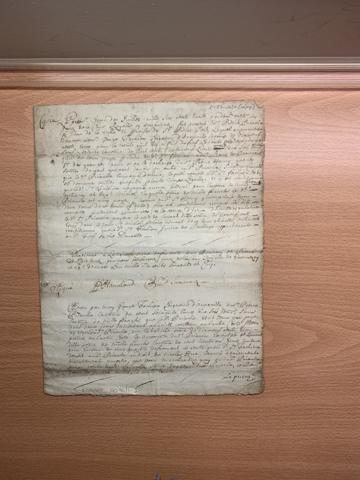 Sale of the Fief le Conte, 1630–1639 (AQ 0096/01-03)deed1630–1639 · Open documentObligation of 1 July 1630, receipt, quittance of 15 June 1639 (achapt et affieffement)Thomas Andros’ Commonplace Bookprivate-life1589 · Open documentHerbal remedies and fruit-growing; Andros family context, not an Anneville fief record
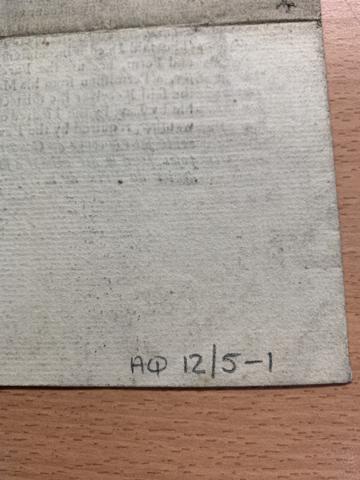 Not dated.‘The Appeal of Charles Andros, Esq; (AQ 0012/05-01)archive · Open documentNot dated.‘The Appeal of Charles Andros, Esq;21 June 1662, Summons to Douzeniers at the… (AQ 0012/10-06)archive21 June 1662 · Open document21 June 1662, Summons to Douzeniers at the…Yet in 1677 Peter Priaulx himself signed Articles naming the disputed fiefs "members and dependant of the said (AQ 0012/13-01)archive · Open document
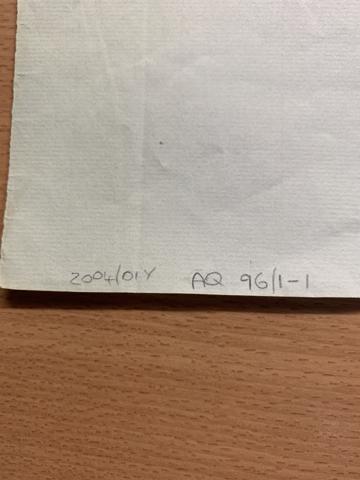 16 February 1509/10, Indenture between Robert… (AQ 0096/01-01)archive16 February 1509 · Open document16 February 1509/10, Indenture between Robert…416 P2-VIS-05 1509 Sale Indenture PERMISSION_REQUIRED Island Archives AQ 0096/01-01 P3-VIS-01 Indenture Willou (AQ 0096/08-04)archive · Open document